 In
the 1800s, a sailing ship crashes off the coast of Norway. In the 1900s, a Zepellin explores an icy
canyon in Antarctica. In the far future, a spaceship sets out for an alien artifact. Each excursion
goes horribly wrong. And on every journey, Dr. Silas Coade is the physician, but only Silas seems
to realize that these events keep repeating themselves. And it's up to him to figure out why and
how. And how to stop it all from happening again.
In
the 1800s, a sailing ship crashes off the coast of Norway. In the 1900s, a Zepellin explores an icy
canyon in Antarctica. In the far future, a spaceship sets out for an alien artifact. Each excursion
goes horribly wrong. And on every journey, Dr. Silas Coade is the physician, but only Silas seems
to realize that these events keep repeating themselves. And it's up to him to figure out why and
how. And how to stop it all from happening again.
Nataliya describes the way this novel begins so well that I'm just going to quote her:
This starts more like if “Moby Dick” had a literary baby with “Groundhog Day” while cheating on Jules Verne...Who knew that the astrophysicist author best known for high tech sci-fi could dive deep into such mundane earthly matters as 19th century nautical fiction?
This is a difficult book to review, for I don't wish to spoil it for anyone. As you can glean from the blurb and Nataliya's quote, Dr. Silas Coade is the ship's physician on ill-fated expeditions across time. Through his exchanges with the crew and passengers aboard these ships, a host of clues are presented, but Silas is oblivious to them at first. As they come together, Silas is forced to confront the truth, but his reluctance to do so will doom him and the others to disaster.
That's all I can say about the plot.
I enjoyed each expedition across time as Reynolds varied the details and the unfolding of events. The interaction between the characters rang true to their time period with Ada being a bit of fresh air each time. Figuring out some of the clues wasn't too difficult as the narrative moved from one timeline to the next, but the big reveal caught me by surprise. And once revealed, the story still had enough mileage to stay glued to it.
Overall, an entertaining sci-fi mystery adventure. Would make for a good movie.
4.5 stars
\_/
DED

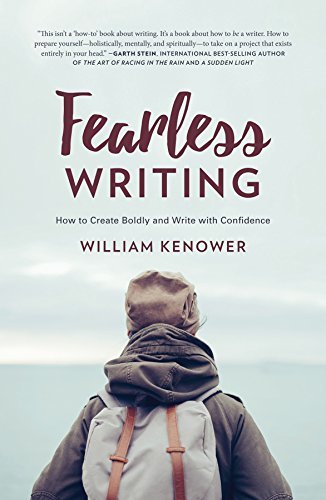 Find
the courage to create your best writing life. Whether you're a fledgling writer or a veteran with years of
experience, fearlessness—that elusive blend of self-acceptance, confidence, and curiosity—is
the defining quality of those who find fulfillment and success. Truly fearless authors banish writer's
blocks with ease, receive critiques gracefully, and infuse their passion for the craft into every word
they write. Filled with insightful wisdom and practical advice, Fearless Writing teaches you
how to thrive as a writer, no matter your genre or career path. You'll learn how to:
Find
the courage to create your best writing life. Whether you're a fledgling writer or a veteran with years of
experience, fearlessness—that elusive blend of self-acceptance, confidence, and curiosity—is
the defining quality of those who find fulfillment and success. Truly fearless authors banish writer's
blocks with ease, receive critiques gracefully, and infuse their passion for the craft into every word
they write. Filled with insightful wisdom and practical advice, Fearless Writing teaches you
how to thrive as a writer, no matter your genre or career path. You'll learn how to: