 After
supremely advanced aliens invade Earth to liberate the planet's intelligent species—whales and dolphins—the
majority of humankind is exiled into space, where, by means of bioengineering, they begin to adapt to and thrive in
their unforgiving environments. Cutting-edge tech means that they can modify body parts, regularly store their
memories for cloning purposes and even merge with seemingly benevolent alien beings (known as symbs) to create
another entity altogether. The discovery of a steady—and mostly indecipherable—stream of data
originating from a star system 17 light-years away offers some kind of hope of advancing the species and
retaking the homeworld. But when the novel's protagonist (a series of successive clones named Lilo) travels
out to 70 Ophiuchi, what she finds may not be salvation for the human species but its damnation.
After
supremely advanced aliens invade Earth to liberate the planet's intelligent species—whales and dolphins—the
majority of humankind is exiled into space, where, by means of bioengineering, they begin to adapt to and thrive in
their unforgiving environments. Cutting-edge tech means that they can modify body parts, regularly store their
memories for cloning purposes and even merge with seemingly benevolent alien beings (known as symbs) to create
another entity altogether. The discovery of a steady—and mostly indecipherable—stream of data
originating from a star system 17 light-years away offers some kind of hope of advancing the species and
retaking the homeworld. But when the novel's protagonist (a series of successive clones named Lilo) travels
out to 70 Ophiuchi, what she finds may not be salvation for the human species but its damnation.
Besides the Gaea trilogy, Varley's other big series is the Eight Worlds saga. But it's really two different series, parallel universes that share the same technologies (memory recording, cloning, genetic engineering, sex changes, null fields) and meta plot elements. The latter being that highly advanced aliens have invaded Earth to save cetaceans from humans by dismantling all of our infrastructure overnight.
The first series consists of several short stories, novelettes, and the novel, The Ophiuchi Hotline. The second series consists of his "metals trilogy": Steel Beach, The Golden Globes, and Irontown Blues.
While it might seem like The Ophiuchi Hotline is the first story in the series, it's actually the last; the short stories actually precede it. Anyway, hundreds of years have passed since the invasion, and humanity is doing fine, scattered throughout the solar system. There are some Free Earthers who think that the time is right to attack the Invaders and reclaim Earth. It's a misguided plan, but humans and hubris...
Our protagonist is Lilo, a successful bioengineer who's been condemned to permanently die for crossing a line with her work. Permanent death means that all her memory and personality files get deleted and her clones dissolved. Normally, death is just a reboot from your last save, thus enabling people to live for centuries just by getting downloaded into a new clone body. Boss Tweed, leader of the Free Earthers and former prison warden, keeps her alive (and many others) as his slave, forced to help find a way to find a weapon to use against the Invaders.
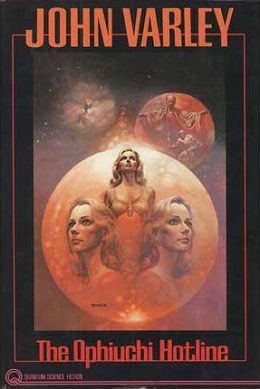
The Hotline? Oh that doesn't become a plot point until midway through the book. The first half is primarily about Lilo trying to escape. Eventually there are three Lilos—as seen on the cover—each with her own storyline. At first it was a bit confusing trying to figure out if we were still on the same version of Lilo or if we'd moved on to another one. Ultimately, we figure it out, and we're able to follow their storylines to their conclusions.
For such a small book (180 pages), it seems to have quite a bit of filler. Varley wanders off on tangents for things—like fashion on Pluto—that seemed to have been added to hit the reader with "weirdness from the future!" World-building? I guess.
While I'll give him credit for the being the earliest author I've read where gender is a spectrum, sex is typically passionless, boring. It's put on the same level as playing cards with the neighbors on a Saturday night. Just something to do. I'm getting the feeling that's where authors in the 70s thought we were headed. In future work, Varley does a better job.
Oh yeah, that Hotline stuff. Well, it wasn't really important or impressive. Varley amazes us throughout the novel with all these incredible technologies ("Far out, man. I can grow bacon on a tree."), the advance aliens use a film projector to show a video to Lilo. Yeah, film. On demand sex changes and all kinds of body modifications, but he still has people centuries from now using film.
This is very much a first novel. Fortunately, having read his later works before this one, I know that Varley gets better. His novels become more cohesive, the storylines become easier to follow, and characters become richer. Hell, even the sex gets better. I think I need to swear off 70s sci-fi. I think the authors and the editors were all a bit too caught up in the times.
2.5 stars
\_/
DED

 Ambassador
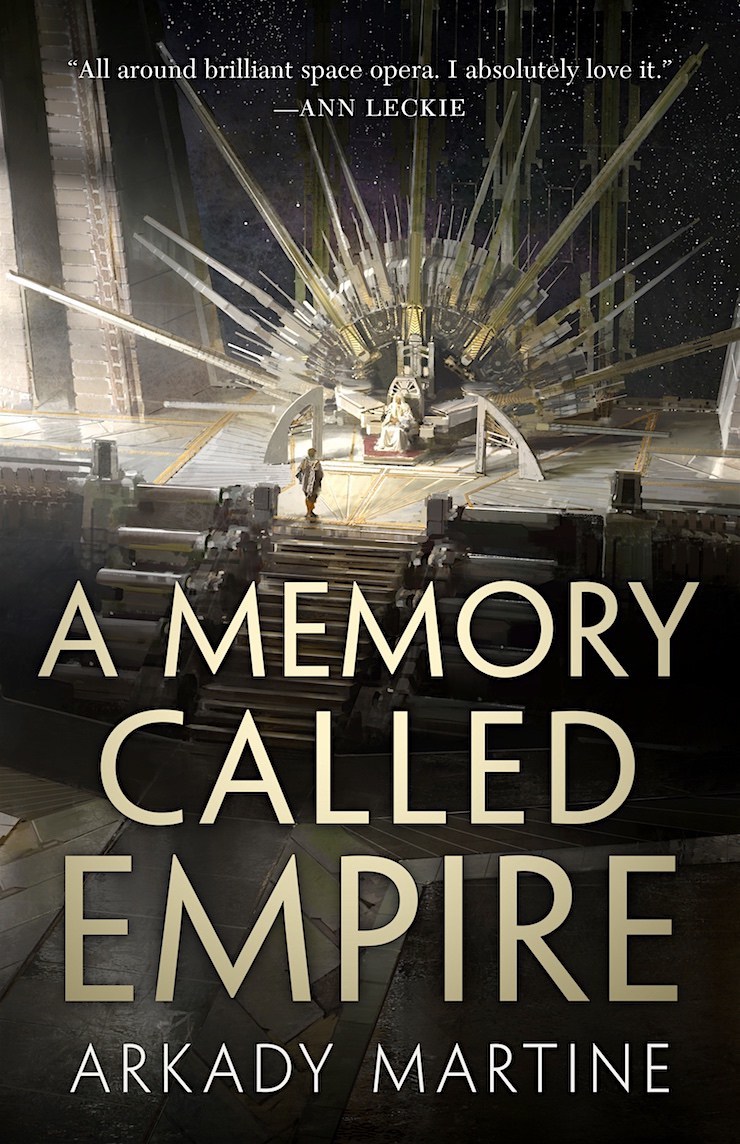
Mahit Dzmare arrives in the center of the multi-system Teixcalaanli Empire only to discover that her predecessor, the
previous ambassador from their small but fiercely independent mining station, has died. But no one will admit that
his death wasn't an accident—or that Mahit might be next to die, during a time of political instability in
the highest echelons of the imperial court.
Ambassador
Mahit Dzmare arrives in the center of the multi-system Teixcalaanli Empire only to discover that her predecessor, the
previous ambassador from their small but fiercely independent mining station, has died. But no one will admit that
his death wasn't an accident—or that Mahit might be next to die, during a time of political instability in
the highest echelons of the imperial court.
 There's
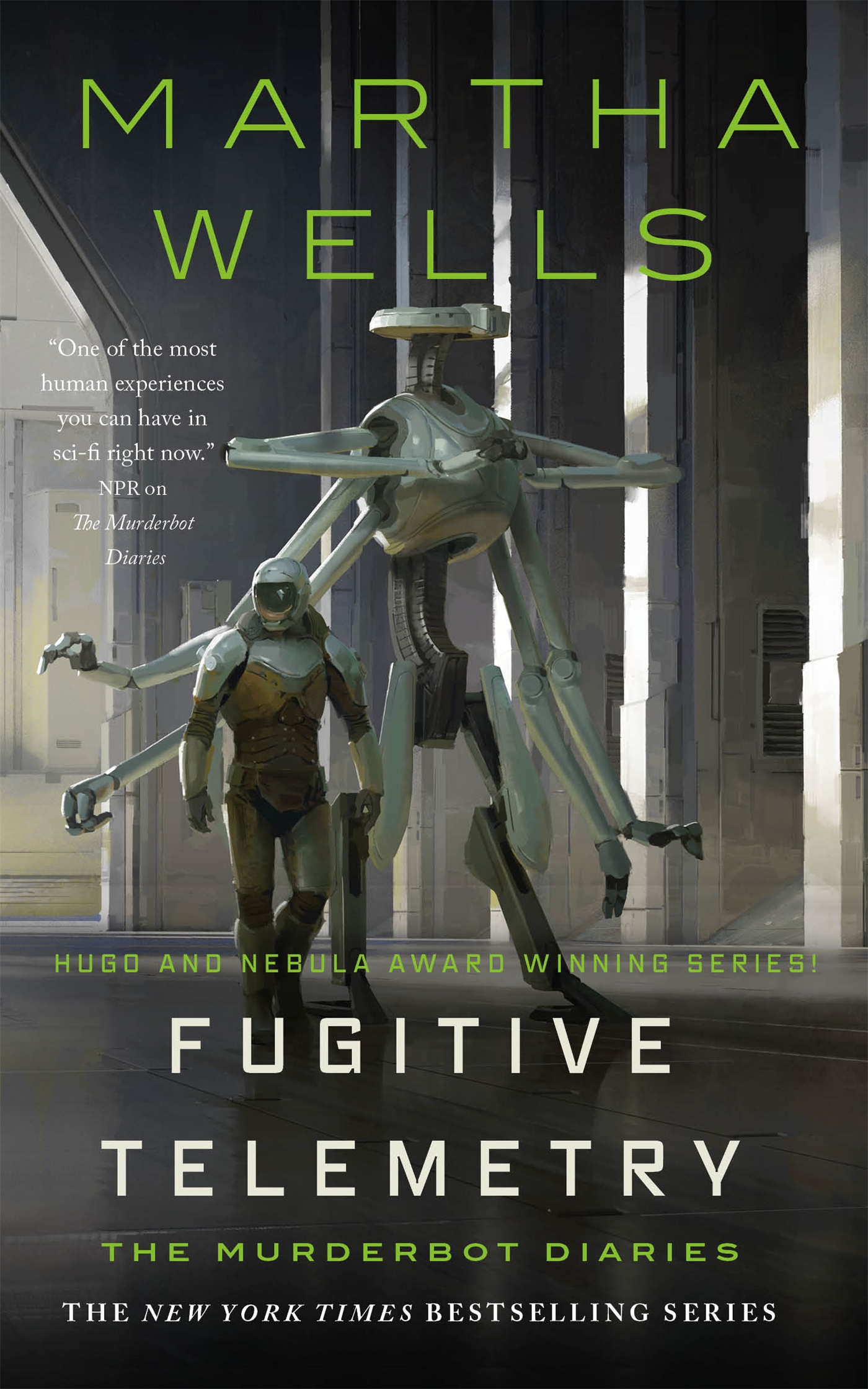
been a murder on Preservation Station and Murderbot has been called in to solve the case!
There's
been a murder on Preservation Station and Murderbot has been called in to solve the case!
 The
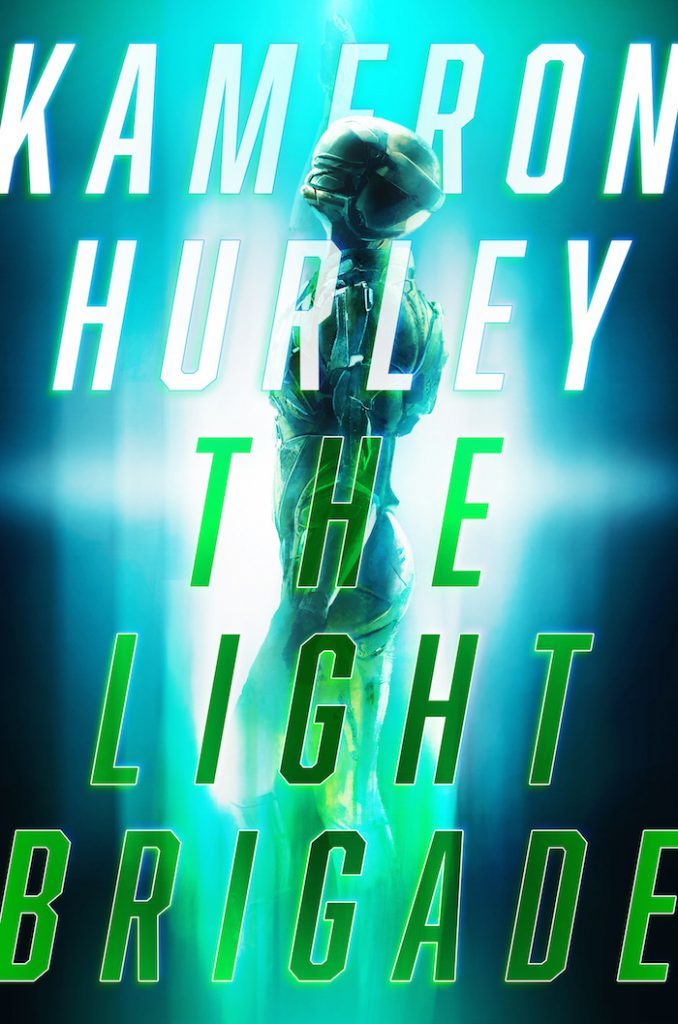
Light Brigade: it's what soldiers fighting the war against Mars call the ones who come back... different. Grunts
in the corporate corps get busted down into light to travel to and from interplanetary battlefronts. Everyone is
changed by what the corps must do in order to break them down into light. Those who survive learn to stick to the
mission brief—no matter what actually happens during combat.
The
Light Brigade: it's what soldiers fighting the war against Mars call the ones who come back... different. Grunts
in the corporate corps get busted down into light to travel to and from interplanetary battlefronts. Everyone is
changed by what the corps must do in order to break them down into light. Those who survive learn to stick to the
mission brief—no matter what actually happens during combat.
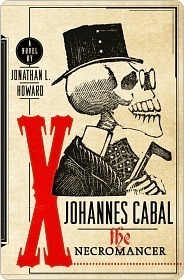 Johannes Cabal
sold his soul years ago in order to learn the laws of necromancy. Now he wants it back. Amused and slightly bored,
Satan proposes a little wager: Johannes has to persuade one hundred people to sign over their souls or he will be
damned forever. This time for real. Accepting the bargain, Jonathan is given one calendar year and a traveling
carnival to complete his task. With little time to waste, Johannes raises a motley crew from the dead and
enlists his brother, Horst, a charismatic vampire to help him run his nefarious road show, resulting in
mayhem at every turn.
Johannes Cabal
sold his soul years ago in order to learn the laws of necromancy. Now he wants it back. Amused and slightly bored,
Satan proposes a little wager: Johannes has to persuade one hundred people to sign over their souls or he will be
damned forever. This time for real. Accepting the bargain, Jonathan is given one calendar year and a traveling
carnival to complete his task. With little time to waste, Johannes raises a motley crew from the dead and
enlists his brother, Horst, a charismatic vampire to help him run his nefarious road show, resulting in
mayhem at every turn.
 In
the second installment of this rousing series, Fafhrd and the Gray Mouser journey from the ancient
city of Lankhmar, searching for a little adventure and debauchery to ease their broken hearts.
When a stranger challenges them to find and fight Death on the Bleak Shore, they battle demonic
birds, living mountains, and evil monks on the way to their heroic fate. Fritz Leiber’s witty
prose, lively plots, and superb characterizations stand the test of time.
In
the second installment of this rousing series, Fafhrd and the Gray Mouser journey from the ancient
city of Lankhmar, searching for a little adventure and debauchery to ease their broken hearts.
When a stranger challenges them to find and fight Death on the Bleak Shore, they battle demonic
birds, living mountains, and evil monks on the way to their heroic fate. Fritz Leiber’s witty
prose, lively plots, and superb characterizations stand the test of time.